
How to Plan a Dominica Adventure Trip

Updated: Aug 17
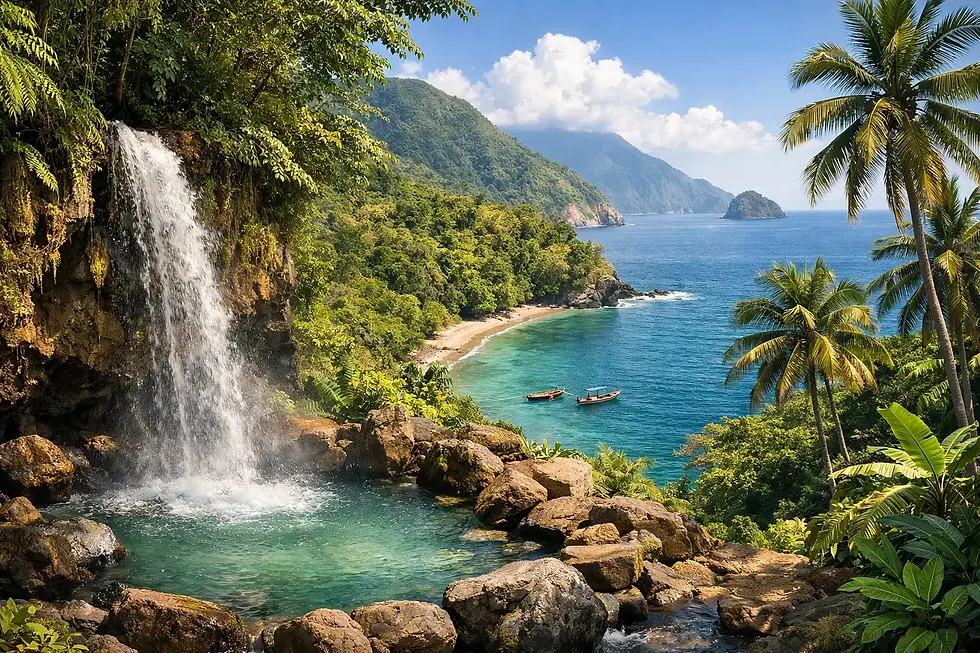
The first mistake most travelers make in Dominica is planning it like a beach island. That approach falls apart fast. If you want to know how to plan Dominica adventure trip details the right way, start with one truth: this is a place of rainforest hikes, volcanic terrain, river swims, canyon descents, reef sessions, and roads that reward patience. Dominica is not a backdrop for doing nothing. It is the trip.
How to plan a Dominica adventure trip without wasting days
A strong Dominica itinerary is built around energy, access, and recovery - not just a list of sights. You are not trying to cram every waterfall, trail, and snorkeling stop into five frantic days. You are trying to create rhythm. One demanding hike might pair well with a lighter river afternoon the next day. A canyoning outing may deserve a slower evening and a later start after it. The island gives more when you stop treating it like a checklist.
That matters because Dominica can be physically generous and physically demanding in the same breath. A trail that looks moderate on paper may feel different in tropical humidity. A short transfer can take longer than expected on winding roads. Weather can shift. River levels can change the feel of an outing. The best plan leaves room for real conditions instead of fantasy timing.
For most active travelers, six to eight nights is the sweet spot. Shorter than that, and too much of the trip gets swallowed by arrival, transfers, and recovery. Longer stays open up a better mix - one or two signature hikes, time in the sea, at least one river or canyon day, and space to actually absorb the island rather than rush through it.
Start with the kind of adventure you actually want
Not every active traveler wants the same Dominica. Some want long trail days and a sense of physical accomplishment. Others want variety - a little hiking, a little snorkeling, a waterfall swim, a boat day, and enough comfort to feel restored by dinner. Planning gets easier when you decide what kind of trip this is before you start looking at lodging and logistics.
If your ideal day involves climbing toward volcanic views, hiking to remote waterfalls, and earning your rum punch, build the trip around land-based adventure. If you are more interested in balance, shape the week around mixed days with moderate hikes, calm-water snorkeling, and scenic coastal exploration. Families or multigenerational groups usually do best with a layered plan: one bigger objective each day, with flexible options for those who want to push harder or take it easier.
This is where many DIY itineraries go off course. People assume they can decide on the ground, day by day. Sometimes that works. More often, it means missed opportunities, poor pacing, and too much time spent sorting transport, guides, meals, and route choices when you should be out in the island.
Choose the right season for your pace and priorities
Dominica is green for a reason. Rain is part of the character here, and that is not bad news for adventure travelers. It keeps the waterfalls full, the rainforest vivid, and the rivers alive. But timing still matters.
If you want the best conditions for hiking and broad activity planning, many travelers prefer the drier stretch of the year, when trails can be more manageable and day planning feels more predictable. If your goal is fewer crowds and a more private feeling on the island, shoulder periods can be especially appealing. You may get a softer, moodier Dominica - mist in the mountains, fuller rivers, dramatic skies - with the trade-off of more weather variability.
The right answer depends on your tolerance for uncertainty. Some travelers love the wildness of an island that feels alive and unscripted. Others want cleaner logistics and easier footing. Neither preference is wrong, but your trip will be better if you know which one is yours.
Base yourself where adventure is easy to reach
In Dominica, where you stay shapes the entire experience. This is not a destination where a generic resort model automatically improves the trip. A beautiful room matters, of course, but access matters more. If your days are centered on trails, rivers, reefs, and guided excursions, the best base is one that supports movement rather than isolates you from it.
Look for lodging that understands active travel. That means enough comfort to recover well, meals that fit real outing days, practical support for wet gear and early starts, and hosts who know how the island works beyond brochure language. Small-scale, adventure-focused stays often outperform larger properties because they can tailor the experience around weather, fitness level, and current conditions.
A fully coordinated model can be especially valuable in Dominica. When lodging, guiding, transport, meals, and activity planning are integrated, the trip feels cleaner and deeper. You spend less time managing details and more time moving through rainforest trails, warm rivers, volcanic landscapes, and wild coastline with people who know when to adjust the plan.
Build your itinerary around effort, not just excitement
The best Dominica trips have contrast. You want one day to sharpen the next.
If you schedule your hardest hike immediately after a long travel day, you may spend the morning feeling flat instead of strong. If you stack three high-output days in a row, even very fit travelers can start to feel worn down. Tropical adventure has a cumulative effect. Heat, elevation, water crossings, and transfer times add up.
A better sequence might begin with an arrival day and a lighter outing, then a major hike, followed by a snorkeling or river day, then another demanding inland experience. This kind of pacing keeps the trip feeling dynamic rather than punishing. It also leaves room for weather-related changes without derailing the whole week.
Signature experiences worth planning around
Certain experiences deserve anchor-day status. A major volcanic hike, a canyoning day, or a long waterfall trek should not be squeezed between casual plans. They are the centerpieces. Treat them that way.
Other activities work best as complements. Snorkeling, shorter coastal walks, scenic swimming spots, and village stops can round out the trip and give your body a different kind of day. The point is not to go easier all the time. The point is to keep the experience textured.
Be honest about fitness and comfort level
Dominica rewards effort, but that does not mean every traveler needs to perform at the same level. The smartest plan is built around honest self-assessment.
If you regularly hike, swim, and stay active, you will likely enjoy a wider range of options. If you are adventurous but not highly conditioned, you can still have an exceptional trip - you just need proper pacing and the right activity mix. Problems start when travelers choose outings based on pride rather than actual readiness.
Good planning also includes your comfort thresholds. Are you fine with mud, humidity, and wet shoes? Do you enjoy steep trails, or would you rather mix moderate hikes with water-based adventure? Do you want independence, or do you want the confidence of being led well? Knowing the answer shapes everything from lodging style to the number of major hikes you should attempt.
Pack for movement, not for resort photos
Packing for Dominica is refreshingly simple once you understand the assignment. You need gear that works in heat, moisture, and varied terrain. Lightweight technical clothing is better than heavy casualwear. Proper trail shoes matter. Water shoes or sandals with grip can be useful for river and canyon environments. A dry bag, sun protection, swimsuit, and small daypack will go farther than extra dinner outfits.
What you do not need is a suitcase full of occasion-specific vacation clothing. This island leans active. You will appreciate practical layers, quick-dry fabrics, and anything that helps you transition from trail to sea to dinner without fuss.
Decide whether you want DIY or fully hosted
This may be the biggest planning choice of all. A DIY trip gives you flexibility and can suit travelers who enjoy doing their own research, driving, booking guides separately, and adapting on the fly. The trade-off is friction. In Dominica, that friction is real. Coordinating routes, weather, meals, transfers, timing, and local knowledge takes work.
A fully hosted adventure stay is different. It is designed for travelers who want the island, not the admin. When the trip is curated by people who know the terrain, understand pacing, and can calibrate each day around conditions, the experience feels less fragmented and far more intentional. For many travelers comparing standard Caribbean vacations to something more immersive, that difference is the whole point. Companies like Wanderlust Caribbean have built their model around exactly that gap.
If you love planning every detail yourself, go DIY with open eyes. If you want the trip to feel expertly handled from arrival to departure, choose a format that combines lodging, guiding, meals, and daily adventure into one cohesive stay.
Dominica is at its best when your plan leaves room for the island to feel alive. Build around movement, stay somewhere that understands adventure, and give each day enough shape to matter without squeezing out the surprise. That is when the trip stops feeling like logistics and starts feeling like exactly why you came.


Comments