
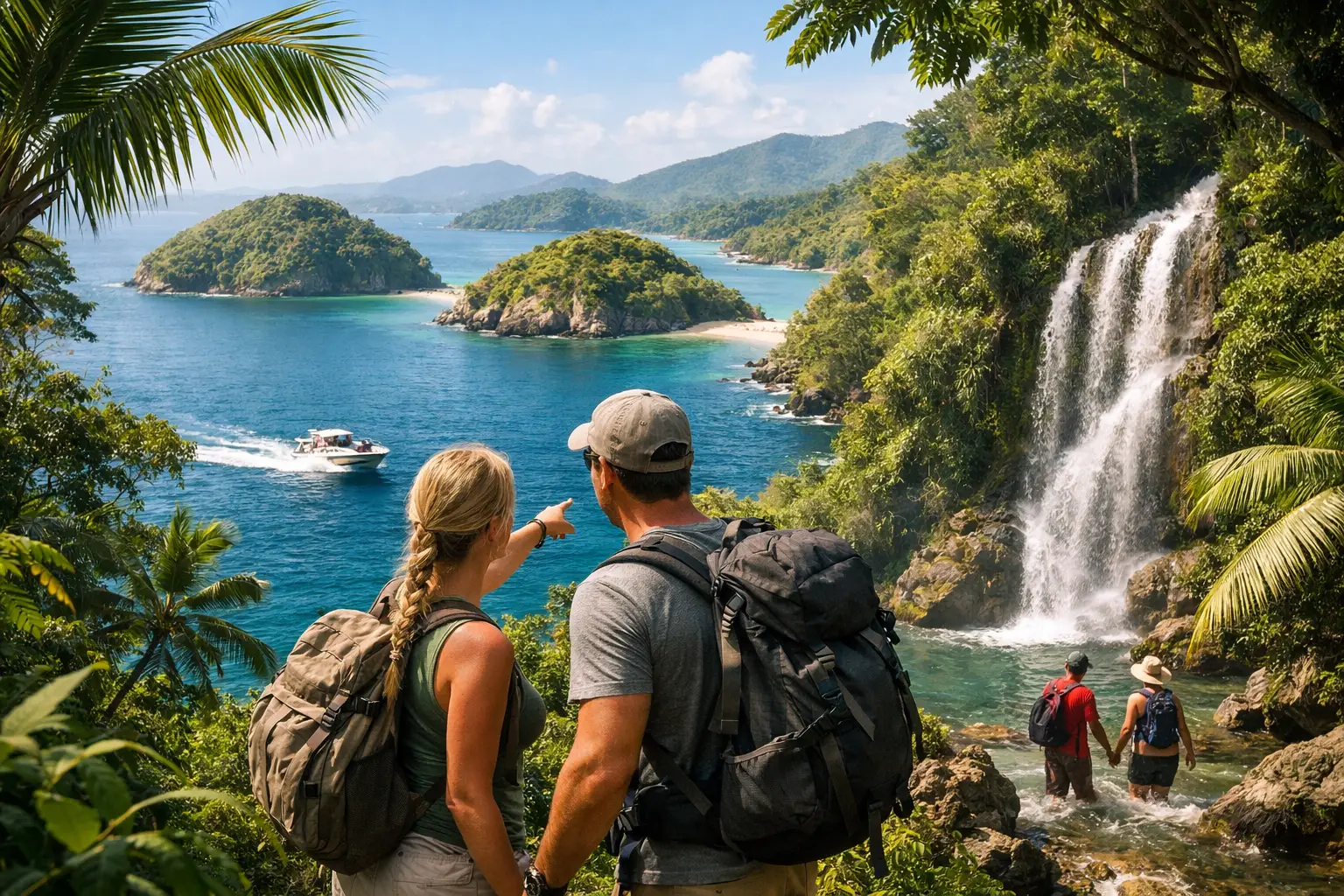
Book a Guided Island Adventure That Moves You

A Caribbean trip can be a week of looking at the water from a lounge chair. Or it can be the reason you remember how good it feels to move. When you book a guided island adventure, the difference is not simply having someone lead a hike. It is arriving with a real sense of possibility, then spending each day in the landscape rather than merely near it.
For active travelers, the appeal is clear: a trail through rainforest before breakfast, a cool waterfall pool after a steep descent, a coastal boat ride to a wild reef, and a warm river that makes even tired legs feel ready for tomorrow. The harder question is how to experience all of that without turning your vacation into a complicated logistics project.
A fully guided adventure stay answers that question. Transportation, route choices, timing, meals, equipment, weather calls, and local context are handled as one considered experience. You bring curiosity, a willingness to get your shoes wet, and a taste for days that end with stories worth retelling.
Why book a guided island adventure instead of planning it yourself?
There is a particular kind of traveler who enjoys researching a destination almost as much as visiting it. Yet even the best planner can lose time to uncertain trail conditions, winding roads, shifting weather, closed access points, and the simple challenge of fitting a full day outdoors around meals and transportation.
On an island shaped by volcanic terrain and tropical rainfall, local knowledge is not a luxury. It changes the quality and safety of the day. A knowledgeable guide knows when a river is right for a swim, where footing becomes slick, which route delivers the best view for the effort, and how to adjust a plan when the clouds decide otherwise.
That guidance also brings a destination to life. A waterfall is more than a place to photograph. A guide can explain the forest around it, point out the route that leads to a hidden pool, introduce the people and places that give the island its character, and help you experience the day at its natural pace.
The trade-off is independence. A fully guided trip does not offer the same spontaneous, make-it-up-as-you-go rhythm as renting a car and improvising. But for travelers with limited vacation time, structure can create more freedom, not less. You spend less time studying maps in a parking lot and more time swimming beneath a waterfall.
What a well-designed adventure stay should include
Not every guided vacation is built the same way. Some are hotel stays with an excursion desk attached. Others require you to arrange your own transfers, meals, equipment, and free-day plans around a handful of scheduled activities. That can work for travelers who want a light introduction to the outdoors. It is less compelling if exploration is the reason for the trip.
A true guided island adventure treats lodging, food, guiding, and daily movement as connected parts of one experience. The result should feel easy without feeling generic.
A home base with room to recover
After a long rainforest hike or a day of canyoning through clear water, comfort matters. Apartment-style oceanfront accommodations offer space to spread out, rinse off, rest, and watch the light change over the sea. This is not about hiding behind resort walls. It is about having a refined, private base between days spent fully outside.
The right setting makes the active pace sustainable. You want a good meal after the trail, a comfortable bed before an early start, and a host who understands that a wet pair of shoes, a muddy bag, and an enormous appetite are signs of a day well spent.
Guides who can read the island
Guiding is far more than navigation. The best guides match the route to the group, explain what is happening around you, and know when to push the pace or pause for a swim. They make a demanding trail feel purposeful rather than punishing.
This is especially valuable for couples or families with different comfort levels. One person may be drawn to a challenging volcanic route while another wants scenic movement without an all-day grind. A thoughtful guided itinerary can balance those preferences across the week, creating challenge without making every day an endurance test.
Days with variety, not repetition
An island adventure should not become a checklist of waterfalls. The most satisfying itineraries shift the texture of each day: rainforest trails, river crossings, steep viewpoints, black-sand coastlines, snorkeling over bright reef, canyoning through rock corridors, and time in local communities.
Variety has a practical benefit, too. Alternating more demanding hikes with water-based days or gentler coastal exploration keeps your body engaged without running it into the ground. You return home energized by what you did, not in need of a vacation from your vacation.
Choosing the right pace for your trip
“Active” is a broad word. For some travelers, it means a few scenic walks between long lunches. For others, it means carrying water up volcanic slopes, descending into river valleys, and coming back with mud on their calves and a grin that refuses to leave.
Be honest about the kind of movement you want. If you exercise regularly and enjoy uneven terrain, a multi-sport itinerary with hiking, swimming, and canyoning can be deeply rewarding. If you are returning to activity after a break, ask for a plan with moderate routes, more recovery time, and flexible options. The goal is not to prove anything. It is to experience the island with enough energy left to enjoy every part of it.
Weather is part of the equation as well. Tropical conditions can be gloriously changeable. Rain makes the forest more alive, feeds the waterfalls, and can turn a simple path into a muddy, memorable challenge. It can also require adjustments. A good operator does not treat a revised itinerary as a disappointment. They use local conditions to guide you toward the best available experience.
What to ask before you commit
Before booking, look past polished photographs and ask how the trip actually works. Are daily excursions included, or are they optional add-ons? Is transportation handled from arrival through departure? Are meals designed around active days? How small are the groups? Is there a clear process for adapting activities to weather and ability?
Also ask what “all-inclusive” means in practice. The term can cover everything from a buffet and a beach chair to a deeply curated week of lodging, meals, guiding, and transport. If you want the latter, confirm the details before you arrive.
At Wanderlust Caribbean, the premise is straightforward: adventure is not something squeezed between resort amenities. It is the center of the stay. Small-scale hosting, oceanfront comfort, local guidance, and a changing daily itinerary make it possible to see Dominica as it deserves to be seen - on foot, in the water, and close to the landscape.
Pack for participation, not performance
You do not need to arrive looking like an expedition catalog. You do need gear that supports long, wet, warm days. Comfortable trail shoes with grip, a daypack, reusable water bottle, swimwear, sun protection, and quick-drying clothing will carry you through most activities. A lightweight rain layer is useful even when the morning sky is bright.
More than gear, bring the right mindset. Some of the best moments will not be the perfectly framed view. They will be the sudden sound of a river around a bend, the first shock of cool water after a humid hike, the shared laugh when everyone steps carefully through a muddy section of trail, and the meal that tastes better because you earned it.
A guided island adventure is for travelers who want their Caribbean vacation to leave a mark - not on a schedule, but on their memory. Choose a trip designed around the way you want to feel when you return: stronger, clearer, and still carrying the rhythm of rainforest, river, and sea.


Comments